To get remodeling excellence in Orland Park, demand a documented scope, code checks against village and county rules, and line‑item pricing tied to permits and inspections. Lock specs early (SKUs, finishes, mechanicals) for accurate takeoffs and sequencing. Verify licenses, insurance, and inspection history; scrutinize BBB, litigation, and recent client references. Require GFCI/AFCI, ventilation calcs, moisture‑rated substrates, and kiln‑dried lumber. Track budget-to-actuals weekly and document change orders. You’ll see how top pros protect schedule, cost, and quality next.
Main Insights
- Check licensing, permits, and insurance for Orland Park; review BBB ratings, legal record, and latest inspection approvals before making a hiring decision.
- Request detailed phased estimates that include detailed materials, labor costs, allowances, contingencies, and well-defined payment milestones connected to verification processes.
- Confirm code compliance and regulations addressing structural load paths, proper ventilation, electrical safety measures, emergency egress, fire blocking systems, and Cook County zoning compliance.
- Establish specifications at the start (product specifications) to ensure reliable estimates, controlled costs, and punctual sourcing.
- Focus on quality and resale value with Energy Star-certified devices, LED illumination, accessible bathrooms, upgraded insulation, and house-wide surge protection.
Key Qualities of Leading Orland Park Remodelers
Begin with tested procedures and area-specific experience. You need a contractor who outlines scope, confirms zoning, secures permits, and schedules inspections without delays. Premier Orland Park remodelers check load paths, evaluate ventilation, and implement GFCI/AFCI protection where required. They measure twice, analyze situations, and coordinate trades to preserve clearances, fire blocking, and egress.
Their expertise becomes evident in how they carefully coordinate demo, abatement, and structural work to safeguard adjacent surfaces and systems. They follow strict material selection standards: moisture-rated substrates for wet areas, kiln‑dried lumber, environmentally safe coatings, and regulation-meeting attachment systems. They maintain detailed documentation with submittal logs, product specifications, and material conformity verification. They wrap up with comprehensive project documentation, warranty certificates, and built drawings, confirming your remodel performs optimally while adhering to safety protocols and building codes.
Smart Planning and Transparent Pricing Strategies
Throughout the entire process, strategic planning and upfront pricing keep your Orland Park remodel on schedule, cost-effective, and code-compliant. You commence with a clear scope, a regulatory review against Orland Park and Cook County requirements, and a project timeline aligned with permits, inspections, and lead times. You align specifications upfront-SKUs, finishes, mechanicals-so takeoffs are precise and supply chain is optimized.
Apply staged estimates to validate costs at key project milestones. Phased budgeting assigns dollars to distinct work packages-demo, framing, MEP rough-in, finishes-so you track variances in real time. Require itemized costs for workforce, supplies, provisions, and reserves, plus itemized rates for changes. Confirm long-lead items with advance payments, record inclusions/exclusions, and set payment triggers by inspection or completion, not calendar dates.
How to Properly Vet Contractors
Before starting the bidding process, take time to validate each contractor's legal standing and track record in Cook County and Orland Park. Start with validating credentials through the IDFPR and the Orland Park Village permit database. Make sure they have active liability insurance and workers' compensation; request insurance certificates naming you as certificate holder. Examine their Better Business Bureau status, litigation history, and issues associated with their construction permits.
Examine reviews across multiple platforms like Google, Houzz, and GuildQuality, emphasizing inspection outcomes and code compliance, schedule adherence, and change-order handling. Complete background verification with at least three recent clients and one project over three years old. Obtain inspector sign-off documents and finished project images. Visit an ongoing project site to assess workspace organization, safety measures, supervision of trades, and posted permits.
Synchronizing Vision, Budget, and Timeline for Excellence
If you're undertaking a kitchen update or expanding your square footage, it's essential to have a precise scope that links design goals to a practical budget and executable schedule. Specify design expectations in writing: room sizes, finish specifications, equipment specifications, fixture specifications, and regulatory clearances. Create an allowance structure for cabinetry, tile, lighting, and contingencies, then confirm delivery schedules to protect the critical path.
Align timelines with figures. Require a project schedule with milestones: permitting process, rough-in work, required inspections, drywall completion, and punch list. Implement staged planning when utility changes or material delays impact workflow. Finalize subcontractor schedules and validate permit process with Orland Park authorities.
Hold weekly performance evaluations against budget-to-actuals and schedule variance. Log project modifications immediately, detailing project parameters, cost, and timeline extensions, before work proceeds.
Popular Features Improving Convenience, Practicality, and Market Value
As codes continue to evolve and buyer demands increase in Orland Park, you can target upgrades that enhance everyday usability while increasing appraisal value. Commence with a high-impact kitchen: choose Energy Star-rated, eco-friendly appliances, induction cooktops, and water-saving, code-compliant fixtures. In bath spaces, incorporate curbless showers, support for accessibility elements, and ergonomic hardware to promote universal design without diminishing style.
Enhance comfort levels and efficiency with upgraded insulation, draft prevention, and a correctly dimensioned HVAC with smart zoning and wireless climate controls. Implement LED lighting, tamper‑resistant receptacles, GFCI/AFCI protection, and whole‑home surge suppression to comply with current electrical standards. Improve storage with fully extending drawers, organized entry spaces, and personalized storage solutions. For check here the exterior, consider composite decking, high‑performance windows, and energy-saving garage doors to maximize efficiency and curb appeal.
Common Questions
What Impact Do Renovations Have on Homeowner Insurance and Rates
Home improvements may change your property's replacement cost, so your insurance company could need to adjust your insurance coverage and rates. You'll probably require insurance adjustments or endorsements to accommodate expanded floor area, updated systems, or high-end materials. Contact your insurer before renovations commence; they typically require construction permits, qualified builders, and upgrades meeting building codes. Track materials and expenses, review and adjust policy coverage, and consider adding builder's risk protection during the project. Upon completion, have the property reappraised to confirm sufficient property protection, ordinance or law coverage, and liability coverage.
Permit Responsibilities: A Guide for Homeowners and Contractors
You typically handle zoning permits, homeowner association approvals, and utility requirements; your builder obtains building and trade-specific permits covering electrical, plumbing, and heating/cooling systems and schedules inspections. However, review your agreement: authorities often treat you as the responsible party if permits expire. You should sign applications, pay fees when required, and furnish site drawings. The contractor needs to provide certified plans, comply with regulations, post permits on-site, ensure safety protocols, and obtain final inspection approvals before the space can be occupied.
What's the Safest Way to Live Onsite During Major Renovations?
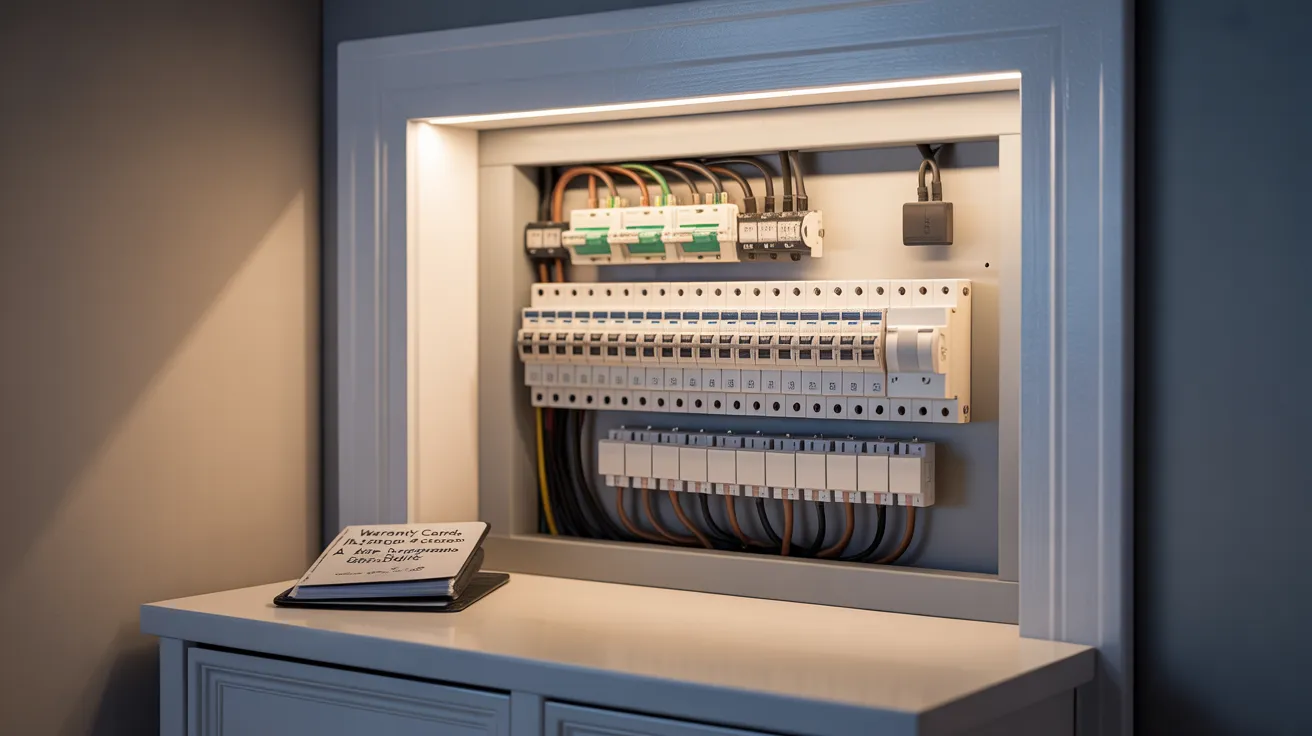
You can maintain safe onsite living by isolating work zones with plastic barriers and negative air machines, installing a provisional cooking area with protected outlets, and ensuring clear egress paths according to safety standards. Plan noise management with noise-free times and sound dampening systems. Use dust control (HEPA filtration, boot covers), daily cleanup, and MERV-13 filters. Confirm CO/smoke detectors, secure utility connections, and secure electrical panels. Restrict access to minors and animals, display safety notices, and arrange safety checks before reoccupying areas.
What Type of Warranty Protection Applies to Materials and Labor After Completion
You typically get two types of protection: a Workmanship guarantee and a Material warranty. The Workmanship warranty protects against installation issues-including misaligned installs, improper sealing-typically 1-5 years, connected to code-compliant practices and fix implementations. The Material warranty is provided by manufacturers-protecting fixtures, roofing, windows-extending 5-30+ years, covering defects, not regular deterioration or misuse. Want leverage if issues arise? Preserve signed scope, specs, serials, and maintenance logs; require transferable warranties and written claim protocols with clear response times.
How Should Change Orders Be Documented to Eliminate Disputes
You formalize changes with a signed and documented amendment that references the original contract. You detail scope changes item by item, attach drawings/specs, and revise quantities, materials, and schedule impacts. You attach unit prices or a lump sum, outline labor/equipment rates, and establish approval dates. You manage cost tracking through numbered change order logs, modified cost projections, and contemporaneous time-and-materials tickets. You store emails, meeting minutes, and photos to create a thorough record.
Final Thoughts
You've seen what distinguishes elite Orland Park remodelers: they excel at strategic preparation, transparent pricing, and regulation-adherent performance. You define goals, confirm licenses and reviews, and insist on written details for scope, schedule, and specs. You coordinate vision, budget, and timeline; they provide quality craftsmanship, full compliance, and total reliability. Pick materials that endure, systems that economize, and layouts that work efficiently. Should you thoroughly vet, contract precisely, and track progress, you'll safeguard your investment, enhance comfort, and optimize resale value-without complications.
Comments on “Remodeling Experts You Can Trust”